
Turning Camp Values into Measurable Success
Fall has finally settled in. The temperatures are dropping, the leaves are changing color, and it’s time to decide: is your camp going to make changes for this upcoming summer?
Every year, camp owners step back and ask: What’s working? What should we adjust? The hardest part can be figuring out which direction to take your business next. One helpful tool for that process is developing key performance indicators (KPIs).
If that sounds too “business-y,” don’t worry. Camps are often values-driven and mission-driven, so it can feel a little uncomfortable to bring corporate jargon into your camp office. KPIs are simply a way of measuring if what you’re doing is working. When you align them with your mission, they help tell the story you already want to share about your camp.
An Example: How to Build a KPI
Camp Sunshine is tracking camper absences this session, and one group seems to have far more absences than the others.
After looking closer, they notice the counselor was sick for half of the session.
Maybe campers felt less connected when their counselor changed mid-session.
So, the camp decides to:
Strategize how to build connections when a counselor is absent.
Train leadership staff to build connections with the campers of counselors they oversee.
Track absences in groups with missing or changed counselors moving forward.
(Based on discussion in Camp Owners Podcast, episode #68)
What Are KPIs?
Forbes defines a Key Performance Indicator (KPI) as:
“A measurement used to define whether an organization, team, or employee is meeting a predefined goal.”
At its core, a KPI is a simple measurement that helps you see whether you’re moving toward your camp’s goals.
Start With Your Mission and Goals
Before choosing what to measure, step back and clarify your mission. Ask:
Mission: What is your camp really here to do?
Goals: What objectives or outcomes flow from that mission?
For example:
If your mission is about community and belonging, a KPI could be the percentage of campers who report making a new friend.
If your mission is about growth and skill-building, a KPI could be the number of campers who improve their soccer skills, teamwork, or leadership.
If your mission is about employing high-quality staff, a KPI might track how your best staff first learned about your camp.
You might already be tracking some of these things without realizing it. The key is to make them intentional and measurable.
Choose and Refine Your KPIs
Here are some practical areas where camps often start:
Enrollment & Retention: Do we have a high first-year enrollment rate but a low return rate for second- or third-year campers?
Camper Journeys: Are campers staying in the same friend groups (or cabins) year after year?
Staff Retention: How many staff returned this year? Were returning staff an asset this summer?
Don’t stop at “Did enrollment go up?” also ask, “Did returning campers increase?” That difference tells a much richer story.
Digging deeper turns vague numbers into useful insights. For example:
Enrollment: Enrollment dropped in one area code. Does the camp need to add a new bus stop there?
Camper Experience: What happens when new campers are placed in groups with mostly returning campers—do they feel included or left out?
Staff Quality: How long do you retain your “super staff”? Is it more valuable to have a brilliant counselor for two summers or a steady team that returns year after year?
The more specific the question, the more actionable the data.
Define Success
Once you know what to measure, decide what “success” looks like.
Enrollment Success: Absences are down after focusing staff on building relationships with campers.
Camper Experience Success: 90% of first-year campers report trying something new by mid-session.
Staff Success: 88% of counselors report feeling connected to campers and staff.
If you’re new to this, start small. Choose one goal that matters most this fall—success builds from there.
Track and Share Results
KPIs work best when you can track them consistently over time, building data trends:
Year-over-year comparisons: How does this summer’s first-year enrollment compare to the last few years?
Surveys: Collect feedback from parents, campers, and staff—both formal and informal.
Leading indicators: Focus on signals that predict outcomes. For example, making a phone call to new camper families in the first week can predict higher feelings of belonging.
Pro tip: Data collection doesn’t have to be fancy. Even a staff check in with campers between periods and reporting back can give you valuable insights.
““The goal is to be data-informed, not data-obsessed.”*”
Get Your Team On Board
KPIs aren’t just for camp directors. To be effective, your whole team should understand and contribute.
Use staff training to introduce your KPIs (or call them “outcomes” if that feels more natural).
Give leadership staff ownership of specific goals and have them report back on their progress.
Share results with staff and parents so everyone can see the progress your camp is making.
Refine, Reflect, and Act
KPIs aren’t set in stone. Keep asking:
Is this measurement helping us tell our camp’s story?
Is the data accurate and meaningful?
Do we need to adjust what we track?
“The goal is to be data-informed, not data-obsessed.”
Numbers are tools to support your mission — not replace it.
Bringing It All Together
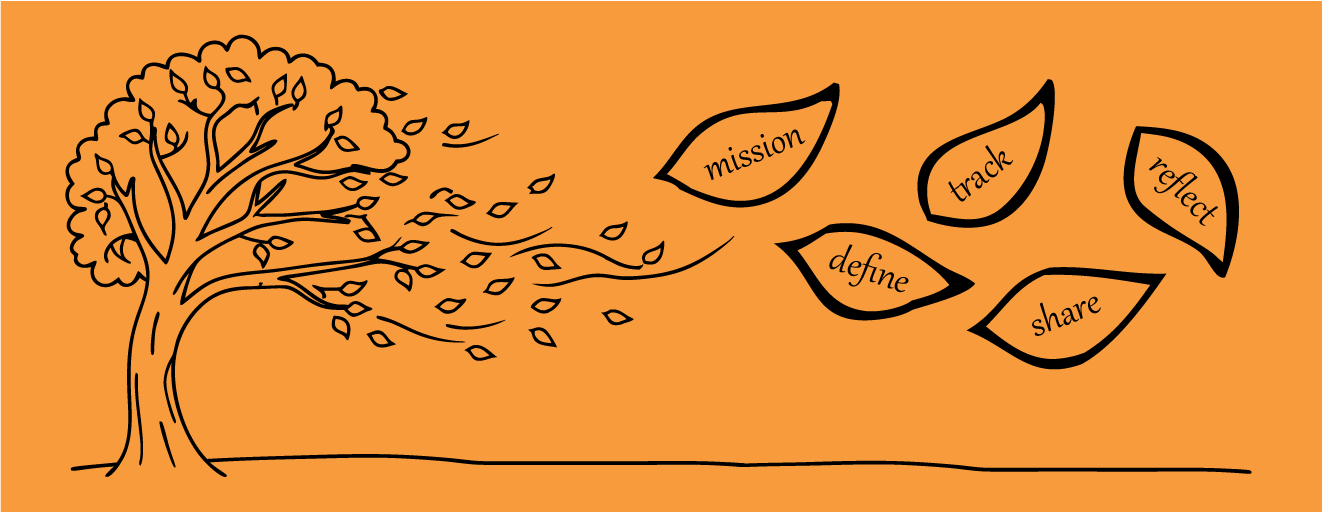
Like the trees changing color in fall, data can reveal patterns you might otherwise miss. KPIs give you a framework to notice those patterns, reflect on what’s working, and take action so your camp grows stronger every year. To learn more about what to do with the KPI data you collect, check out
By connecting your mission to measurable goals, you can make better decisions—and tell a more powerful story about the impact camp has on campers, staff, and families.
For a deeper discussion about finding the right KPIs and using Business Intelligence to meet your camps goals, check out our blog post Evaluating Your Summer Through the Lens of Business Intelligence or the Camp Owners Podcast, episode #68 - Turning Camp Data Into Better Decisions - with Ryan Rosen.
Links on: Spotify | ApplePodcasts | Website


